
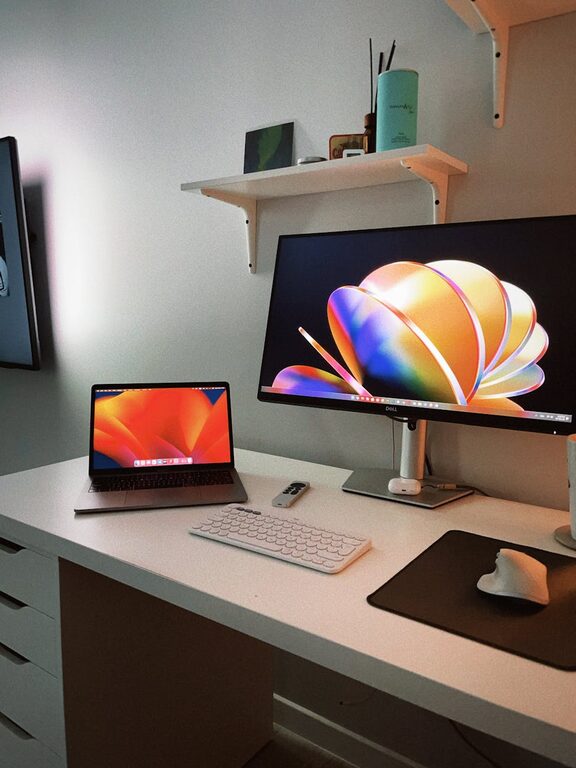
Creating a workspace at home that is both clutter-free and efficient can greatly improve your productivity and overall work experience. Whether you spend a few hours or a full workday at home, having an organized area helps minimize distractions and keeps your tools and materials within easy reach. In this post, we’ll explore practical tips to help you design a workspace that supports focus and comfort.
Why Organizing Your Home Workspace Matters
A well-organized workspace is more than just aesthetically pleasing. It impacts how you work by:
– Reducing stress and distractions
– Helping you find things quickly
– Encouraging better work habits
– Improving your focus and creativity
When your workspace is cluttered, you might waste time looking for supplies or feel overwhelmed by mess. Taking the time to create order leads to smoother, more productive days.
Choosing the Right Spot for Your Workspace
Before organizing, it’s important to select a space that suits your work needs.
Consider These Factors:
– Natural Light: Pick a spot with enough daylight to reduce eye strain.
– Quiet Environment: A place with minimal background noise helps concentration.
– Comfortable Temperature: Ensure the area is well-ventilated and comfortable.
– Space Availability: Choose a space that fits your desk and storage needs without feeling cramped.
If space is limited, you can get creative by using a corner, a part of a living area, or even a small nook.
Declutter First: Start With a Clean Slate
Begin your organization process by removing everything from your workspace. Sort items into three groups:
- **Keep:** Essential tools and supplies you use daily.
- **Store:** Items you need occasionally but not every day.
- **Discard or Donate:** Things that are broken, outdated, or no longer needed.
This step helps you focus only on what truly adds value to your work and frees up space.
Organize Desk Essentials Efficiently
Your desk is where you’ll spend most of your time, so optimize its layout.
Tips for Desk Organization:
– Limit Surface Items: Keep only your computer, a notepad, and a few frequently used items on the desk.
– Use Desk Organizers: Trays, pen holders, and drawer dividers prevent clutter and keep everything tidy.
– Cable Management: Use clips or cable boxes to keep cords neat and out of the way.
– Personal Touch: Add a small plant or photo to create a welcoming but minimal space.
Make Smart Use of Storage Solutions
Maximize storage by using furniture and accessories that keep your items organized yet accessible.
Storage Ideas:
– Shelves: Use wall shelves to store books, binders, or decorative boxes.
– Filing Cabinets: Ideal for paperwork and documents you need to keep.
– Storage Bins or Boxes: Label these clearly and store similar items together.
– Under-Desk Storage: Small rolling carts or drawers add extra space without cluttering the room.
Incorporate Ergonomics for Comfort and Health
An efficient workspace isn’t just about looks; it should support your body too.
Ergonomic Tips:
– Chair: Use an adjustable chair that supports your lower back.
– Monitor Position: Place your screen at eye level and about an arm’s length away.
– Keyboard and Mouse: Keep these within easy reach to avoid strain.
– Frequent Breaks: Take short breaks to stretch and rest your eyes, which helps maintain productivity.
Establish Daily Cleanup Habits
Keeping your workspace organized is easier when you maintain small daily habits.
– End-of-Day Tidy: Spend 5 minutes clearing your desk before finishing work.
– File or Discard Papers Immediately: Avoid piles of paper by deciding what to do with documents as soon as you handle them.
– Reset Tools: Put pens, chargers, or notebooks back in their place.
– Digital Organization: Keep your computer desktop and files organized too.
Personalize With Intention
Adding personal items can make your workspace inviting but avoid overcrowding.
– Choose a few meaningful items like a photo frame, artwork, or a plant.
– Limit decor to one or two pieces to keep visual distractions low.
– Use calming colors or natural elements to create a relaxing atmosphere.
Summary
Organizing a clutter-free and efficient home workspace involves thoughtful planning, regular decluttering, and smart storage solutions. Choosing the right spot, keeping your desk tidy, and incorporating ergonomic principles can help create a productive environment. With consistent habits and a touch of personalization, your home workspace can become a place where focus and creativity thrive. Start small, and over time, you’ll enjoy the benefits of a well-organized work area that supports your success.